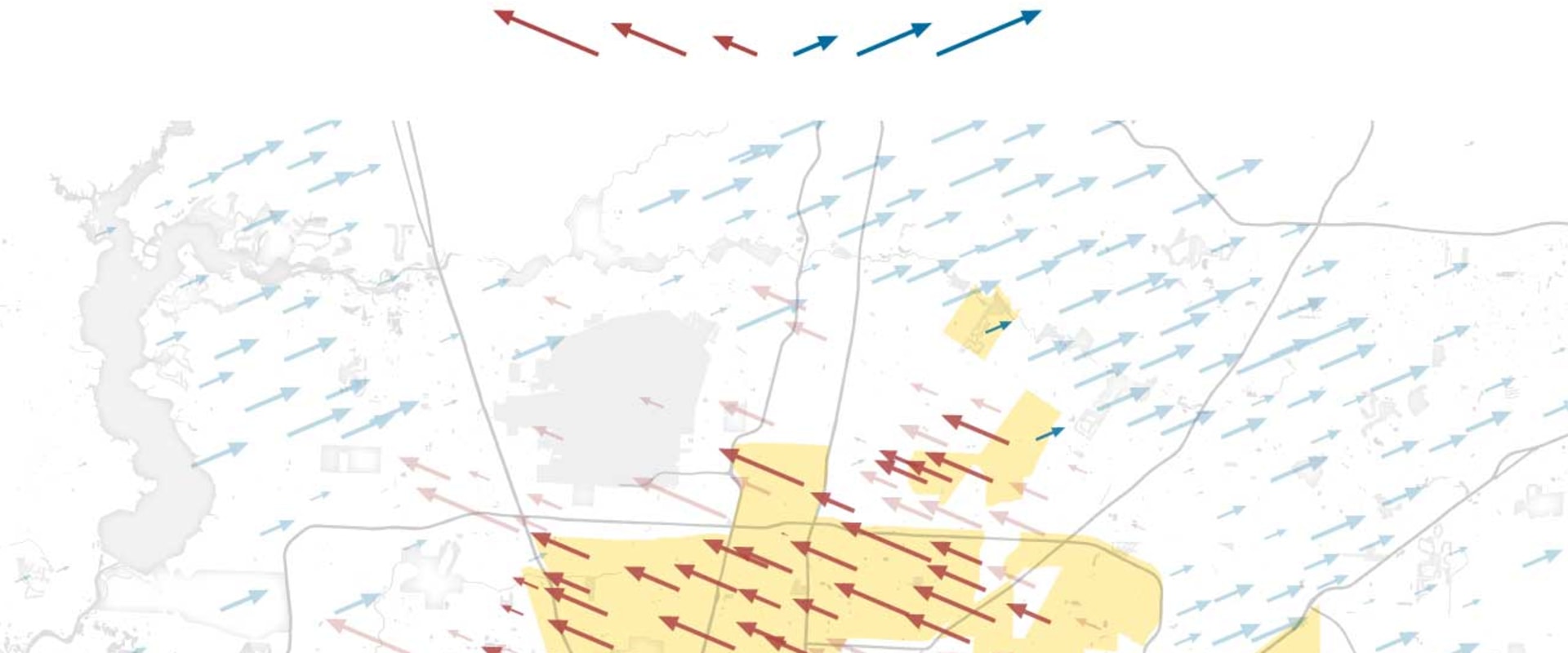
Harris County, Texas, has long been recognized as one of the most dynamic and rapidly evolving regions in the United States. Home to a diverse population and a major metropolitan center, the county has experienced significant demographic shifts over the past several decades. These changes have influenced not only the area's economy, housing market, and educational systems but also the nature of political discussions taking place throughout the region. As communities grow and diversify, public conversations increasingly reflect a broader range of experiences, priorities, and perspectives. This evolution has made Harris County a fascinating example of how population trends can influence local and regional political dialogue.
Population growth remains one of the primary drivers behind these changing discussions. New residents arrive from different parts of Texas, other states, and countries around the world, bringing with them unique viewpoints on issues such as transportation, public safety, economic development, healthcare, and education. As neighborhoods expand and new communities emerge, elected officials and civic leaders must adapt to an increasingly diverse set of concerns. The result is a political environment that continues to evolve alongside the population it serves.
Diversity and Expanding Community Priorities
One of the most notable characteristics of Harris County is its cultural and ethnic diversity. As the population becomes more varied, political conversations often expand beyond traditional topics to include issues related to representation, language accessibility, community services, and equitable access to resources. Residents from different backgrounds may prioritize different concerns, creating opportunities for broader discussions about how government policies affect various segments of the population.
These demographic shifts also influence voter engagement. Community organizations, advocacy groups, and local leaders frequently work to ensure that emerging populations have access to information and opportunities to participate in civic processes. As more voices become involved, public debates often become more nuanced and reflective of the county's changing makeup. This growing participation helps shape policy discussions and encourages greater attention to issues that may not have received significant focus in previous decades.
Housing, Mobility, and Economic Growth
The county's growth has also intensified conversations surrounding housing affordability, infrastructure planning, and transportation development. As demand for housing increases, residents and policymakers alike face questions about sustainable growth and long-term community planning. New developments often bring economic opportunities, but they can also create challenges related to congestion, public services, and neighborhood character.
Population movement within Texas contributes to these discussions as well. Individuals and families relocating for employment opportunities or lifestyle changes frequently influence local demographics. For example, someone researching a mover in Austin may eventually relocate to another Texas community, contributing to broader population shifts that affect regional planning and political priorities. These patterns demonstrate how mobility can influence local governance and public policy conversations over time.
The Future of Political Dialogue in Harris County
Looking ahead, demographic changes are likely to remain a major factor shaping political discussions throughout Harris County. Younger generations, growing immigrant communities, and continued population growth will introduce new perspectives and priorities into civic life. As these trends continue, policymakers will face increasing pressure to address a wider range of community needs while balancing competing interests and limited resources.
Ultimately, the ongoing evolution of Harris County highlights the close relationship between population dynamics and public discourse. Political conversations do not occur in isolation; they reflect the people, communities, and experiences that make up the region. As Harris County continues to grow and diversify, its political landscape will likely remain a reflection of the changing population that calls it home, ensuring that public discussions continue to evolve alongside the community itself.